Urban Plant Services
Apartment Plant Solutions
Residential greening addresses unique challenges of apartment living including limited space, variable natural light, and maintenance constraints for busy professionals. Consultations assess available light levels, interior microclimates, and resident lifestyle determining appropriate species selections matching specific conditions and care capabilities. Small-space solutions emphasize vertical arrangements, hanging planters, and compact varieties maximizing greenery within minimal footprints. Low-light specialists including snake plants, pothos, ZZ plants, and cast iron plants thrive in challenging exposures where most species fail. Modern container selections complement contemporary interior design aesthetics while incorporating self-watering reservoirs extending care intervals. Installation services ensure proper positioning optimizing available light while avoiding traffic patterns and furniture conflicts. Educational guidance empowers residents toward successful independent care through straightforward instructions avoiding overwhelming complexity. Optional maintenance subscriptions provide professional care for clients preferring hands-off approaches ensuring consistent health and appearance without personal time investments.
Office Greening Programs
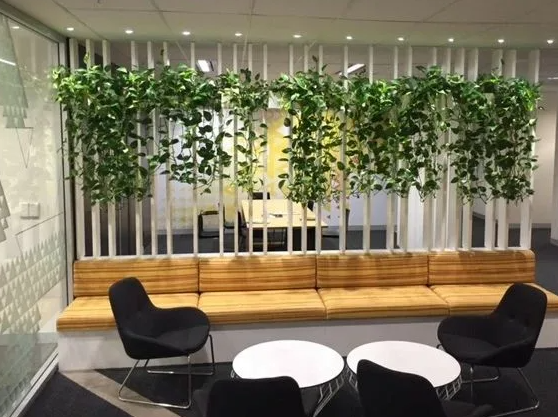
Workplace installations transform sterile office environments into vibrant productive spaces supporting employee wellbeing and organizational culture. Comprehensive assessments evaluate lighting conditions, HVAC patterns, traffic flows, and aesthetic preferences across different departments and functional areas. Large-scale installations include floor plants defining spaces, desktop specimens personalizing workstations, reception displays creating welcoming entries, and conference room features enhancing meeting environments. Species selections emphasize durability and low maintenance requirements suitable for commercial environments with inconsistent care and high-traffic exposure. Planter designs coordinate with existing furniture and architectural finishes maintaining cohesive professional aesthetics. Flexible leasing arrangements accommodate space reconfigurations and changing needs without capital expenditures. Full-service maintenance contracts include scheduled visits by trained technicians monitoring health, performing care tasks, and rotating specimens maintaining optimal appearance. Seasonal refreshments update displays preventing stagnation while celebrating natural cycles. Documentation provides sustainability reporting supporting corporate environmental initiatives and wellness program metrics.
Living Wall Installations
Vertical gardens maximize greening impact within minimal footprints creating dramatic focal points transforming blank walls into living artwork. Modular panel systems accommodate various configurations matching specific space dimensions and design intentions. Integrated irrigation delivers precise moisture management through automated controls eliminating manual watering while preventing water damage to surrounding structures and finishes. Specialized growing media provides adequate drainage and aeration supporting healthy root development in vertical orientation challenging plant establishment. Plant palettes combine contrasting textures, colors, and forms creating visual interest through botanical diversity arranged in intentional patterns rather than random placements. Structural assessments ensure adequate wall strength supporting installation weight including saturated growing media, plants, and mounting hardware. Lighting integration supplements natural illumination maintaining consistent growth particularly valuable in interior locations lacking adequate daylight. Maintenance programs include plant health monitoring, irrigation system checks, pest management, and periodic replanting replacing declining specimens ensuring perpetual vitality and aesthetic quality throughout operational lifespan.
Plant Maintenance Contracts
Professional care programs ensure long-term success eliminating common failure patterns from inadequate knowledge or inconsistent attention. Scheduled visits by trained horticultural technicians provide expert monitoring identifying problems early when interventions prove most effective. Customized care protocols address specific requirements of individual species and environmental conditions rather than generic approaches ignoring important distinctions. Watering management adjusts for seasonal variations, growth cycles, and microclimate changes preventing both drought stress and overwatering damage. Fertilization programs provide balanced nutrition supporting vigorous growth without excessive salts accumulating in containers. Pest monitoring detects infestations during initial establishment enabling targeted treatments preventing population explosions requiring intensive interventions. Pruning maintains appropriate size and attractive forms removing dead material and shaping growth patterns. Repotting services refresh growing media and accommodate expanding root systems before constraints limit development. Plant rotation replaces seasonal specimens or declining individuals maintaining consistent quality and appearance. Detailed records document care activities, observations, and recommendations supporting continuous improvement and demonstrating value to property managers and facility administrators justifying program continuation and expansion.
Design Consultation Services
Professional design expertise creates cohesive installations integrating plants into overall interior aesthetics rather than appearing as afterthought additions. Site assessments evaluate architectural features, existing furnishings, color palettes, and functional requirements informing appropriate design directions. Conceptual presentations illustrate proposed installations through renderings, photographs, and material samples enabling client visualization before implementation. Species recommendations balance aesthetic preferences with practical growing conditions ensuring selections prove viable long-term rather than requiring frequent replacements. Container specifications coordinate materials, colors, and forms with surrounding design elements creating harmonious compositions. Spatial planning determines optimal placements maximizing visual impact while accommodating circulation patterns and functional needs. Phasing strategies allow incremental implementation matching budget constraints and organizational readiness. Detailed specifications enable accurate pricing and procurement ensuring project alignment with financial parameters. Design documentation provides installation guidance for implementation teams ensuring vision translation into physical reality matching conceptual intentions.
Plant Sales and Delivery
Curated inventory emphasizes urban-appropriate species proven successful in challenging interior conditions rather than extensive selections including varieties destined for failure. Healthy specimens exhibiting vigorous growth and pest-free conditions ensure strong establishment in new locations. Size options accommodate immediate visual impact desires or budget-conscious smaller plants growing into mature displays over time. Modern container collections complement contemporary aesthetics while incorporating practical features including drainage solutions and self-watering capabilities. Delivery services transport plants safely preventing damage during transit and positioning specimens correctly within destination spaces. Installation assistance ensures proper placement optimizing light exposure and aesthetic integration. Care instructions provide specific guidance for purchased varieties including watering schedules, light requirements, and common problem solutions. Follow-up support addresses questions arising during initial acclimation period when plants adjust to new environments. Replacement guarantees demonstrate confidence in product quality while protecting customer investments should unexpected failures occur despite appropriate care efforts.