Urban Greening Expertise
Contemporary urban architecture prioritizes efficiency and density producing living and working spaces maximizing occupancy within minimal footprints. High-rise apartments feature smaller rooms with limited window access as structural requirements and neighboring buildings restrict natural light penetration. Open-plan offices accommodate maximum personnel through space optimization often placing workstations distant from exterior windows. Artificial lighting provides adequate illumination for human tasks yet proves insufficient for most plant species evolved under full sunlight conditions. Heating and air conditioning systems maintain comfortable temperatures while creating extremely dry atmospheric conditions stressing plants adapted to humid natural environments. These constraints eliminate vast majority of decorative plant species commonly available at garden centers bred for outdoor cultivation or greenhouse conditions rather than challenging urban interiors. Successfully greening such spaces requires specialized plant selections from limited species palette naturally adapted to forest understory conditions receiving minimal direct sunlight while tolerating periodic drought and temperature fluctuations. Our expertise identifying suitable varieties prevents common disappointments when inappropriate species inevitably fail despite conscientious care efforts unable to overcome fundamental environmental incompatibilities between plant requirements and available conditions.
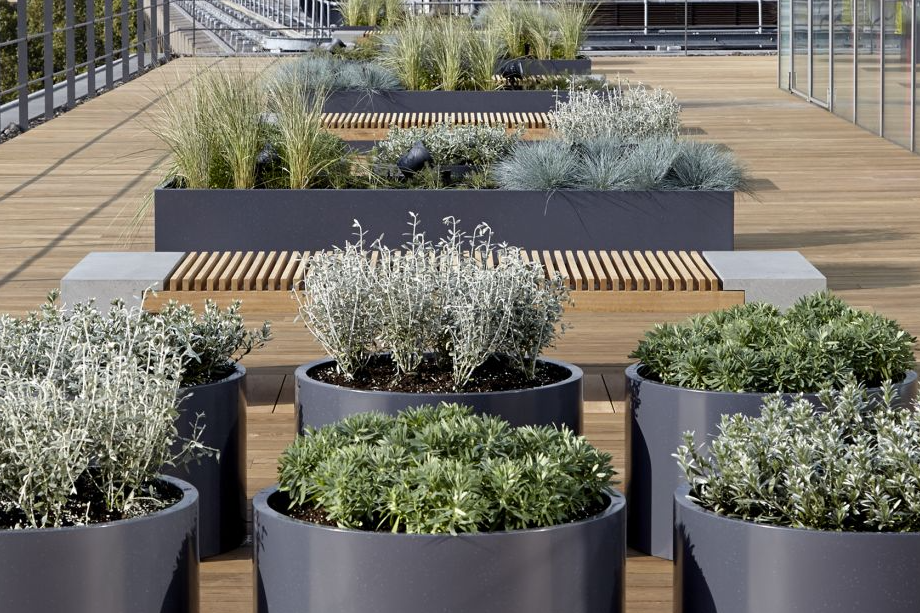
Beyond species selection, container design significantly impacts both plant health and interior aesthetics requiring careful consideration balancing functional requirements with design preferences. Traditional terracotta pots prove impractical for urban settings where water drainage damages furniture and flooring necessitating sealed containers with integrated water reservoirs preventing overflow while maintaining adequate moisture. Contemporary designs incorporate self-watering mechanisms extending intervals between maintenance reducing demands on busy professionals. Size appropriateness matters tremendously as undersized containers restrict root development while oversized planters overwhelm limited floor space. Material selections including ceramics, metals, and composite materials influence aesthetic integration with surrounding decor while affecting thermal properties and durability. Color coordination with existing interior palettes ensures plants enhance rather than clash with established design schemes. Elevation considerations including floor placement, desktop positioning, hanging installations, and wall-mounted systems maximize vertical space utilization particularly valuable in compact environments where floor area remains precious. These design elements require professional assessment ensuring selections meet both horticultural requirements and aesthetic expectations creating cohesive installations appearing intentionally designed rather than haphazardly assembled collections lacking visual harmony.
Maintenance represents critical success factor distinguishing thriving installations from declining specimens gradually deteriorating until removal becomes necessary. Urban residents and office managers typically lack botanical knowledge recognizing problem symptoms before irreversible damage occurs. Watering proves deceptively challenging as requirements vary dramatically between species, seasons, and environmental conditions with both overwatering and underwatering causing similar symptoms confusing inexperienced caregivers. Light requirements change throughout year as seasonal sun angles alter illumination patterns requiring position adjustments maintaining adequate exposure. Pest infestations including spider mites, scale insects, and fungus gnats establish populations before visible detection demands preventive approaches rather than reactive treatments. Fertilization needs vary across growth cycles requiring appropriate nutrient supplementation avoiding both deficiency symptoms and toxicity from excessive application. Professional maintenance programs address these complexities through scheduled visits by trained technicians monitoring plant health, adjusting care protocols, and performing specialized tasks including pruning, repotting, and pest management ensuring installations maintain optimal appearance and health long-term rather than brief initial attractiveness followed by gradual decline culminating in replacement necessities creating ongoing expenses without sustainable solutions.