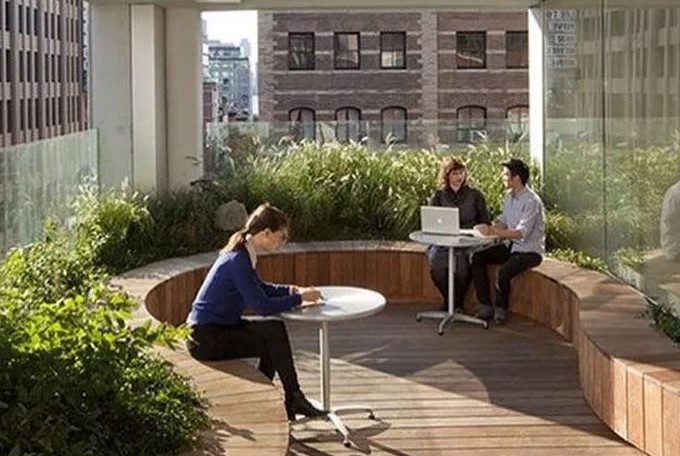
Urban living increasingly disconnects people from natural environments as concrete, glass, and steel dominate cityscapes creating sterile atmospheres lacking organic vitality essential for human wellbeing. Apartment dwellers and office workers spend overwhelming majority of time indoors surrounded by artificial materials and mechanical systems providing comfortable climates yet devoid of living elements connecting occupants to nature. Scientific research demonstrates plants improve indoor environments through air purification removing volatile organic compounds and toxins while releasing oxygen enriching atmospheric quality. Psychological benefits include stress reduction, improved concentration, enhanced creativity, and elevated mood documented through numerous studies across workplace and residential settings. However, urban environments present unique challenges for plant cultivation including limited natural light from small windows and northern exposures, space constraints in compact apartments and crowded offices, and maintenance difficulties for busy professionals lacking gardening experience or time. Successfully greening urban spaces requires specialized knowledge selecting appropriate species tolerating low light and inconsistent care while providing aesthetic appeal matching contemporary interior design preferences favoring clean lines and minimalist aesthetics rather than traditional decorative styles. Our expertise bridges this gap providing comprehensive solutions transforming sterile urban environments into vibrant green spaces supporting occupant health and wellbeing through thoughtfully curated plant selections, modern container designs, and maintenance programs ensuring long-term success rather than brief decorative gestures ending in disappointment as neglected plants decline. This holistic approach positions indoor greening as essential infrastructure component rather than optional decoration addressing fundamental human needs for natural connection within built environments increasingly dominating modern existence.
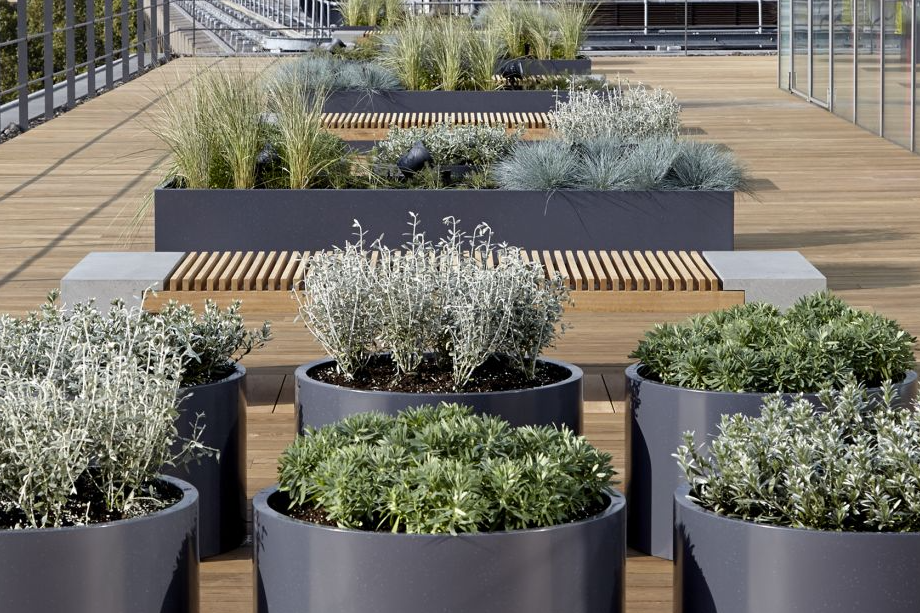
Contemporary urban architecture prioritizes efficiency and density producing living and working spaces maximizing occupancy within minimal footprints. High-rise apartments feature smaller rooms with limited window access as structural requirements and neighboring buildings restrict natural light penetration. Open-plan offices accommodate maximum personnel through space optimization often placing workstations distant from exterior windows. Artificial lighting provides adequate illumination for human tasks yet proves insufficient for most plant species evolved under full sunlight conditions. Heating and air conditioning systems maintain comfortable temperatures while creating extremely dry atmospheric conditions stressing plants adapted to humid natural environments. These constraints eliminate vast majority of decorative plant species commonly available at garden centers bred for outdoor cultivation or greenhouse conditions rather than challenging urban interiors. Successfully greening such spaces requires specialized plant selections from limited species palette naturally adapted to forest understory conditions receiving minimal direct sunlight while tolerating periodic drought and temperature fluctuations. Our expertise identifying suitable varieties prevents common disappointments when inappropriate species inevitably fail despite conscientious care efforts unable to overcome fundamental environmental incompatibilities between plant requirements and available conditions.
Beyond species selection, container design significantly impacts both plant health and interior aesthetics requiring careful consideration balancing functional requirements with design preferences. Traditional terracotta pots prove impractical for urban settings where water drainage damages furniture and flooring necessitating sealed containers with integrated water reservoirs preventing overflow while maintaining adequate moisture. Contemporary designs incorporate self-watering mechanisms extending intervals between maintenance reducing demands on busy professionals. Size appropriateness matters tremendously as undersized containers restrict root development while oversized planters overwhelm limited floor space. Material selections including ceramics, metals, and composite materials influence aesthetic integration with surrounding decor while affecting thermal properties and durability. Color coordination with existing interior palettes ensures plants enhance rather than clash with established design schemes. Elevation considerations including floor placement, desktop positioning, hanging installations, and wall-mounted systems maximize vertical space utilization particularly valuable in compact environments where floor area remains precious. These design elements require professional assessment ensuring selections meet both horticultural requirements and aesthetic expectations creating cohesive installations appearing intentionally designed rather than haphazardly assembled collections lacking visual harmony.
Maintenance represents critical success factor distinguishing thriving installations from declining specimens gradually deteriorating until removal becomes necessary. Urban residents and office managers typically lack botanical knowledge recognizing problem symptoms before irreversible damage occurs. Watering proves deceptively challenging as requirements vary dramatically between species, seasons, and environmental conditions with both overwatering and underwatering causing similar symptoms confusing inexperienced caregivers. Light requirements change throughout year as seasonal sun angles alter illumination patterns requiring position adjustments maintaining adequate exposure. Pest infestations including spider mites, scale insects, and fungus gnats establish populations before visible detection demands preventive approaches rather than reactive treatments. Fertilization needs vary across growth cycles requiring appropriate nutrient supplementation avoiding both deficiency symptoms and toxicity from excessive application. Professional maintenance programs address these complexities through scheduled visits by trained technicians monitoring plant health, adjusting care protocols, and performing specialized tasks including pruning, repotting, and pest management ensuring installations maintain optimal appearance and health long-term rather than brief initial attractiveness followed by gradual decline culminating in replacement necessities creating ongoing expenses without sustainable solutions.
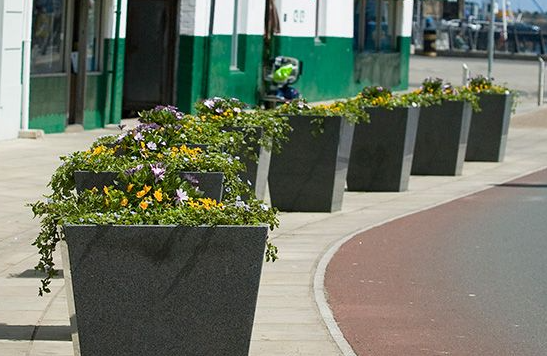
Plants actively filter indoor air removing common pollutants including formaldehyde from furniture, benzene from plastics, and trichloroethylene from cleaning products while absorbing carbon dioxide and releasing oxygen through photosynthesis. NASA research identified specific species particularly effective at contaminant removal including snake plants, pothos, and peace lilies making them valuable additions to enclosed spaces with limited air exchange. This natural purification reduces reliance on mechanical filtration systems while creating healthier breathing environments particularly beneficial for individuals with respiratory sensitivities or allergies exacerbated by indoor air quality issues prevalent in tightly sealed modern buildings prioritizing energy efficiency over ventilation adequacy.
Psychological research demonstrates nature exposure reduces stress hormones including cortisol while lowering blood pressure and heart rate promoting physiological relaxation responses. Indoor plants provide accessible nature connection particularly valuable for urban residents lacking convenient outdoor green space access. Office studies document reduced employee stress levels in green workspaces correlating with decreased absenteeism and improved job satisfaction. Hospital research shows patient rooms with plant views experience faster recovery and reduced pain medication requirements compared to rooms facing urban landscapes. These benefits extend beyond mere decoration creating therapeutic environments supporting mental health and emotional wellbeing essential for maintaining psychological resilience amid demanding urban lifestyles characterized by perpetual stimulation and high-stress conditions.
Workplace research consistently demonstrates improved productivity in green office environments with studies documenting fifteen percent increases in task completion rates and enhanced creativity in problem-solving exercises. Attention restoration theory explains how natural elements reduce mental fatigue from sustained concentration demands common in knowledge work. Plants provide periodic visual breaks from screen-focused tasks reducing eye strain and cognitive exhaustion. Improved air quality contributes to enhanced alertness and concentration as adequate oxygen levels and reduced pollutant exposure support optimal brain function. These productivity gains translate into substantial economic benefits for employers through increased output quality and quantity while employees experience reduced mental fatigue and greater work satisfaction creating mutual advantages justifying investments in workspace greening initiatives.
Plants introduce organic forms, varied textures, and dynamic living elements contrasting sterile urban interiors dominated by rigid geometric shapes and monotonous artificial materials. Strategic placement creates focal points drawing attention while softening harsh architectural elements including concrete columns and glass partitions. Vertical greening maximizes visual impact within limited floor space particularly effective in compact apartments and open offices. Seasonal changes including new growth, flowering, and dormancy cycles provide subtle temporal variation preventing static environments. Color palette coordination between foliage shades and interior finishes creates cohesive design schemes where plants appear integral to overall aesthetic rather than afterthoughts. This visual enhancement increases property values and tenant satisfaction while creating distinctive brand identities for businesses prioritizing environmental consciousness and employee wellbeing through workplace design investments.
Dense foliage absorbs sound waves reducing noise levels in reverberant spaces characterized by hard surfaces reflecting sound creating uncomfortable acoustic environments. Open-plan offices particularly benefit from strategic plant placement dampening conversational noise and equipment sounds disrupting concentration. Larger specimens including floor plants and living walls provide substantial acoustic buffering while smaller desktop plants offer localized sound absorption. This natural sound control supplements mechanical systems and architectural treatments providing cost-effective acoustic improvements without extensive renovations. Noise reduction contributes to stress reduction and concentration enhancement creating quieter environments supporting focused work and comfortable living. Combined with air quality and aesthetic benefits, acoustic advantages demonstrate multifunctional value of urban greening interventions addressing multiple environmental quality concerns through single integrated solution.
Plant transpiration releases moisture into surrounding air naturally humidifying dry indoor environments particularly problematic during heating season when relative humidity drops below comfortable ranges causing respiratory irritation, dry skin, and static electricity. This passive humidification reduces reliance on mechanical humidifiers requiring maintenance and energy consumption. Multiple plants create noticeable humidity increases improving comfort without excessive moisture levels promoting mold growth. Certain species including ferns and tropical varieties provide particularly effective transpiration rates. This humidity regulation proves especially valuable in climates with distinct seasons experiencing dramatic indoor humidity fluctuations between summer and winter conditions. Combined with air purification and other benefits, humidity contributions demonstrate comprehensive environmental conditioning capabilities of properly selected and maintained plant installations supporting occupant comfort and health through multiple simultaneous mechanisms.
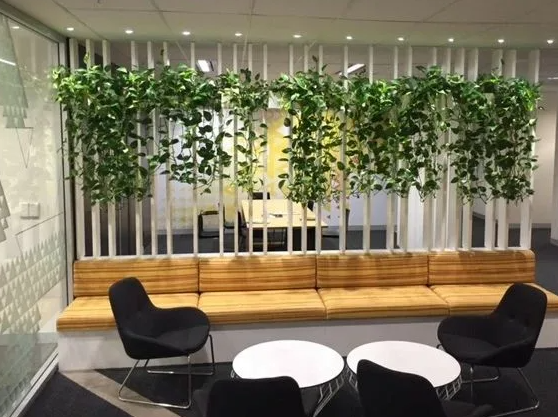
Residential greening addresses unique challenges of apartment living including limited space, variable natural light, and maintenance constraints for busy professionals. Consultations assess available light levels, interior microclimates, and resident lifestyle determining appropriate species selections matching specific conditions and care capabilities. Small-space solutions emphasize vertical arrangements, hanging planters, and compact varieties maximizing greenery within minimal footprints. Low-light specialists including snake plants, pothos, ZZ plants, and cast iron plants thrive in challenging exposures where most species fail. Modern container selections complement contemporary interior design aesthetics while incorporating self-watering reservoirs extending care intervals. Installation services ensure proper positioning optimizing available light while avoiding traffic patterns and furniture conflicts. Educational guidance empowers residents toward successful independent care through straightforward instructions avoiding overwhelming complexity. Optional maintenance subscriptions provide professional care for clients preferring hands-off approaches ensuring consistent health and appearance without personal time investments.
Workplace installations transform sterile office environments into vibrant productive spaces supporting employee wellbeing and organizational culture. Comprehensive assessments evaluate lighting conditions, HVAC patterns, traffic flows, and aesthetic preferences across different departments and functional areas. Large-scale installations include floor plants defining spaces, desktop specimens personalizing workstations, reception displays creating welcoming entries, and conference room features enhancing meeting environments. Species selections emphasize durability and low maintenance requirements suitable for commercial environments with inconsistent care and high-traffic exposure. Planter designs coordinate with existing furniture and architectural finishes maintaining cohesive professional aesthetics. Flexible leasing arrangements accommodate space reconfigurations and changing needs without capital expenditures. Full-service maintenance contracts include scheduled visits by trained technicians monitoring health, performing care tasks, and rotating specimens maintaining optimal appearance. Seasonal refreshments update displays preventing stagnation while celebrating natural cycles. Documentation provides sustainability reporting supporting corporate environmental initiatives and wellness program metrics.
Vertical gardens maximize greening impact within minimal footprints creating dramatic focal points transforming blank walls into living artwork. Modular panel systems accommodate various configurations matching specific space dimensions and design intentions. Integrated irrigation delivers precise moisture management through automated controls eliminating manual watering while preventing water damage to surrounding structures and finishes. Specialized growing media provides adequate drainage and aeration supporting healthy root development in vertical orientation challenging plant establishment. Plant palettes combine contrasting textures, colors, and forms creating visual interest through botanical diversity arranged in intentional patterns rather than random placements. Structural assessments ensure adequate wall strength supporting installation weight including saturated growing media, plants, and mounting hardware. Lighting integration supplements natural illumination maintaining consistent growth particularly valuable in interior locations lacking adequate daylight. Maintenance programs include plant health monitoring, irrigation system checks, pest management, and periodic replanting replacing declining specimens ensuring perpetual vitality and aesthetic quality throughout operational lifespan.
Professional care programs ensure long-term success eliminating common failure patterns from inadequate knowledge or inconsistent attention. Scheduled visits by trained horticultural technicians provide expert monitoring identifying problems early when interventions prove most effective. Customized care protocols address specific requirements of individual species and environmental conditions rather than generic approaches ignoring important distinctions. Watering management adjusts for seasonal variations, growth cycles, and microclimate changes preventing both drought stress and overwatering damage. Fertilization programs provide balanced nutrition supporting vigorous growth without excessive salts accumulating in containers. Pest monitoring detects infestations during initial establishment enabling targeted treatments preventing population explosions requiring intensive interventions. Pruning maintains appropriate size and attractive forms removing dead material and shaping growth patterns. Repotting services refresh growing media and accommodate expanding root systems before constraints limit development. Plant rotation replaces seasonal specimens or declining individuals maintaining consistent quality and appearance. Detailed records document care activities, observations, and recommendations supporting continuous improvement and demonstrating value to property managers and facility administrators justifying program continuation and expansion.
Professional design expertise creates cohesive installations integrating plants into overall interior aesthetics rather than appearing as afterthought additions. Site assessments evaluate architectural features, existing furnishings, color palettes, and functional requirements informing appropriate design directions. Conceptual presentations illustrate proposed installations through renderings, photographs, and material samples enabling client visualization before implementation. Species recommendations balance aesthetic preferences with practical growing conditions ensuring selections prove viable long-term rather than requiring frequent replacements. Container specifications coordinate materials, colors, and forms with surrounding design elements creating harmonious compositions. Spatial planning determines optimal placements maximizing visual impact while accommodating circulation patterns and functional needs. Phasing strategies allow incremental implementation matching budget constraints and organizational readiness. Detailed specifications enable accurate pricing and procurement ensuring project alignment with financial parameters. Design documentation provides installation guidance for implementation teams ensuring vision translation into physical reality matching conceptual intentions.
Curated inventory emphasizes urban-appropriate species proven successful in challenging interior conditions rather than extensive selections including varieties destined for failure. Healthy specimens exhibiting vigorous growth and pest-free conditions ensure strong establishment in new locations. Size options accommodate immediate visual impact desires or budget-conscious smaller plants growing into mature displays over time. Modern container collections complement contemporary aesthetics while incorporating practical features including drainage solutions and self-watering capabilities. Delivery services transport plants safely preventing damage during transit and positioning specimens correctly within destination spaces. Installation assistance ensures proper placement optimizing light exposure and aesthetic integration. Care instructions provide specific guidance for purchased varieties including watering schedules, light requirements, and common problem solutions. Follow-up support addresses questions arising during initial acclimation period when plants adjust to new environments. Replacement guarantees demonstrate confidence in product quality while protecting customer investments should unexpected failures occur despite appropriate care efforts.
Address
Veldstraat 85
9000 Gent
Belgium
Opening Hours
Tuesday - Saturday: 10:00 - 18:00
Sunday: 11:00 - 16:00